PFAS lawsuit action by Australia against 3M has turned a long-running contamination dispute into a major test of industrial liability, environmental cleanup costs, and how governments pursue manufacturers over chemicals that can persist for decades.
The Australian government said on May 28, 2026, that it had begun legal proceedings in the Federal Court of Australia against 3M Company and 3M Australia Pty Ltd. The Commonwealth is seeking damages to recover costs linked to per- and poly-fluoroalkyl substances, known as PFAS, at 28 Defence bases across the country.
Reuters reported that the claim seeks more than A$2 billion, or about $1.43 billion, in damages over contamination from firefighting foam supplied by the U.S. company. The Associated Press reported that Australia described the action as its largest-ever compensation claim, while 3M said it would defend itself and noted that it had never manufactured PFAS in Australia.
PFAS Lawsuit Raises The Cost Of Chemical Liability
The case matters because it shifts PFAS from a scientific, environmental, and community issue into a large sovereign claim against a global industrial company. For investors and executives, the lawsuit shows how historic product use can become a present-day balance-sheet and reputational risk.
PFAS have been used in industrial and consumer applications because they resist heat, grease, stains, and water. In this case, the dispute centers on firefighting foam historically used at Defence sites, where the Commonwealth says contamination created significant past and future costs.
Why The PFAS Lawsuit Is Material For 3M
Australia’s claim comes after years of global scrutiny of PFAS exposure, regulation, and litigation. 3M has already faced substantial PFAS-related legal and settlement costs in other jurisdictions, making the Australian case part of a broader liability landscape rather than an isolated national dispute.
The company has said it will fight the Australian claim. According to AP and Reuters, 3M said it had never manufactured PFAS in Australia and had stopped selling the products at issue in the country around two decades ago. The company also pointed to continued use of PFAS-containing foam by Australia’s Department of Defence after 3M’s exit from that market.
That defense highlights a central commercial question: how courts allocate responsibility among manufacturers, buyers, and public agencies when products later become associated with long-term environmental harm. The answer could influence settlement strategy, insurance exposure, and future claims in other markets.
Cleanup Costs Sit At The Center Of The PFAS Lawsuit
The Australian government is not framing the case as a personal-injury claim. It is seeking recovery for costs tied to investigating, managing, and addressing contamination at Defence properties, a narrower but still financially significant approach.
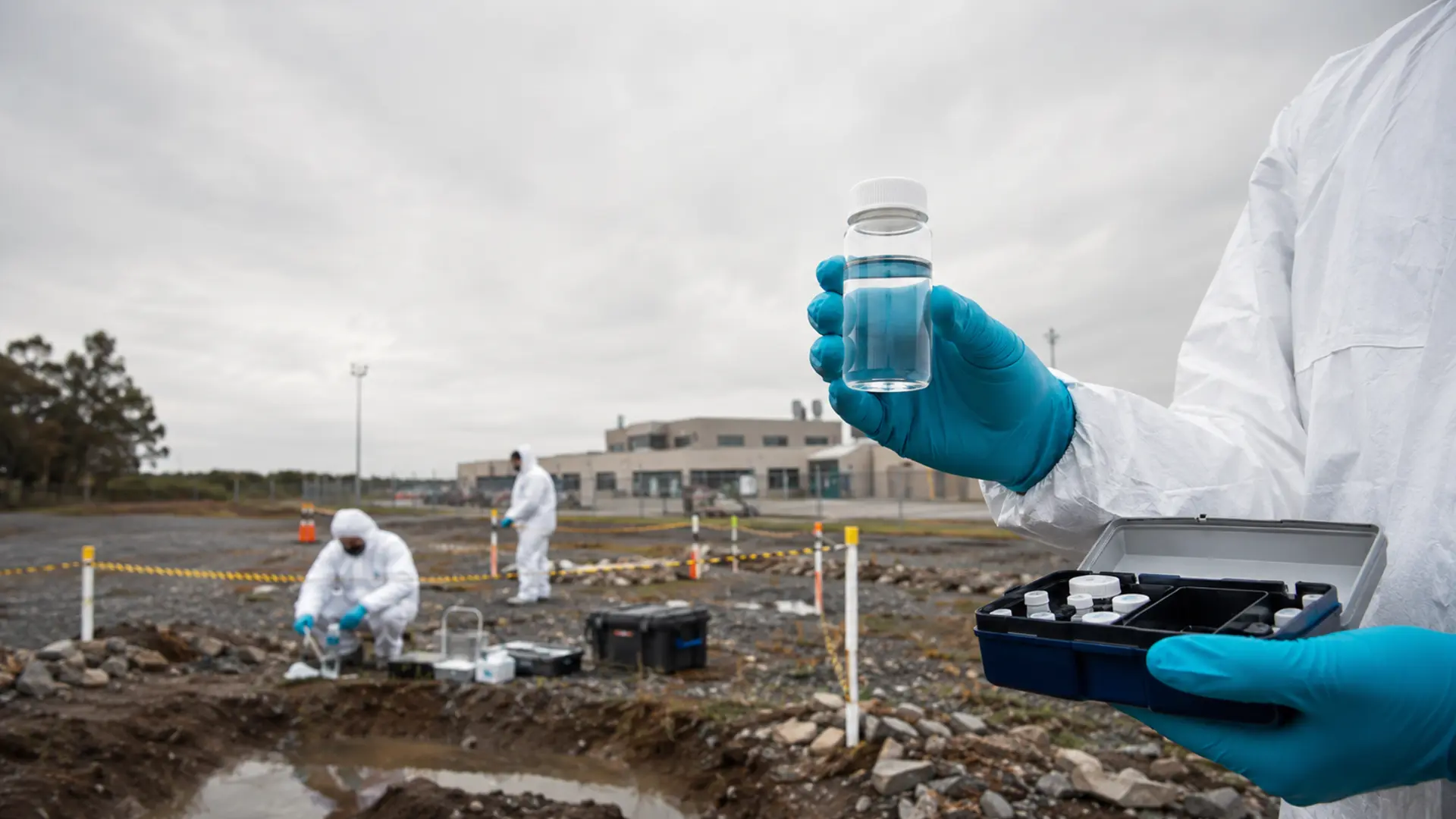
AP reported that Assistant Defence Minister Peter Khalil said the Defence Department had already spent A$1.3 billion, about $920 million, on managing and mitigating environmental impacts from the foam. He also cited large-scale removal of contaminated earth and treatment of contaminated water.
That emphasis on cleanup costs is important for industry. Environmental liability can persist long after a product leaves the market, especially when contamination affects soil, groundwater, infrastructure, and communities around operational sites.
Australia Turns PFAS Lawsuit Into A Policy Signal
The PFAS lawsuit is also a policy statement. By filing a large claim against a multinational manufacturer, Australia is signaling that chemical contamination at public assets will be treated as a recoverable public cost, not only a local remediation problem.
The official Defence Ministers’ release said the Commonwealth had commenced legal action for damages to recover costs relating to PFAS contamination at 28 Defence bases. That language places the case squarely inside public finance, defense estate management, and environmental accountability.
Government Claims Could Reshape Industrial Risk
For manufacturers, the most important feature of the case is not only the dollar amount. It is the possibility that governments will increasingly use litigation to pursue historic contamination costs when regulation, procurement decisions, and remediation programs leave taxpayers carrying large bills.
PFAS chemicals are difficult from a policy perspective because they are persistent and widely distributed. Once contamination enters soil or water systems, the technical and financial burden can extend over many years, making the eventual cost far larger than the original purchase value of the product.
That dynamic creates a strategic problem for companies in chemicals, industrial materials, defense supply chains, and infrastructure. Historical compliance may not be enough to eliminate future disputes if governments argue that manufacturers had knowledge of risks that was not properly disclosed.
The PFAS Lawsuit Tests Disclosure And Knowledge Claims
Australian officials have alleged that 3M did not adequately disclose what it knew about environmental risks associated with the relevant foam. Reuters and AP both reported government statements accusing the company of withholding or misrepresenting information about those risks.
3M disputes the claim and has indicated it will defend the proceedings. That means the case is likely to turn on evidence about product history, knowledge, warnings, procurement decisions, and the degree to which Australian authorities relied on information from the company.
For corporate boards, the lesson is broader than PFAS. Product-risk disclosure, scientific testing, customer communications, and document retention can become decisive years later, especially in sectors where materials are used by governments, utilities, airports, military sites, and other public infrastructure operators.
Global PFAS Lawsuit Pressure Is Still Building
The Australian case arrives as PFAS regulation and litigation continue to spread across major markets. Governments and courts are increasingly examining who should pay for testing, treatment, cleanup, and long-term management when persistent chemicals are found in water, soil, and public facilities.
Research has linked some PFAS exposure to health risks, including liver damage, lower birth weight, and certain cancers, according to Reuters’ summary of the scientific context. The article does not establish the outcome of the Australian case, but it explains why regulators and communities treat the chemicals as a high-priority environmental issue.
PFAS Lawsuit Exposure Extends Beyond One Country
3M is not the only company facing PFAS-related scrutiny, but it is one of the most visible because of its long history with the chemicals and the scale of prior disputes. That visibility makes new government claims especially important for investors tracking industrial legal exposure.
In the United States, PFAS litigation has already produced major settlements with public water systems and state-level disputes. In Europe and other markets, regulators have also been tightening chemical rules, setting up a wider environment in which companies must prepare for both compliance and legacy-cost demands.
The Australian filing reinforces that PFAS risk is global. Even when a company no longer sells a product in a market, historic use can continue to generate legal and financial consequences if contamination is alleged to remain in public or private environments.
Insurance And Capital Planning Face New Pressure
Large environmental claims can complicate insurance coverage, reserves, and capital planning. Companies may need to determine whether existing policies apply, whether exclusions limit recovery, and whether future premiums rise as insurers reassess chemical and pollution liabilities.
Investors are likely to watch how 3M describes the Australian proceedings in future financial disclosures. They will also look for signs of whether the case can be resolved through settlement, narrowed through litigation, or expanded by additional evidence and parallel claims.
For industrial groups more broadly, the case strengthens the argument for mapping legacy materials across operations and customer uses. A product that seemed routine at the time of sale can become a source of expensive claims once scientific, regulatory, or social expectations change.
Business Leaders Face A Wider Accountability Standard
The PFAS lawsuit is not only a legal event for 3M. It is part of a wider shift in which governments, communities, and investors are demanding clearer accountability for the lifecycle of industrial products, including their disposal and long-term environmental effects.
That shift places pressure on companies to treat chemical risk as a governance issue. Product safety, environmental testing, customer warnings, and remediation planning increasingly belong in board-level discussions, especially where products are used in public infrastructure or essential services.
Compliance Must Look Back As Well As Forward
Many companies focus compliance programs on current regulation. PFAS litigation shows why historical exposure also matters. Older product lines, discontinued materials, legacy manufacturing sites, and customer-use records can all become relevant when governments seek to recover cleanup costs.
That makes internal archives and scientific documentation commercially important. Companies that can clearly show what they knew, when they knew it, how they communicated risk, and how they responded to changing evidence may be better positioned than companies with weaker records.
The Australian case will likely be watched by legal teams far beyond the chemicals sector. Any business that sells durable materials into aviation, defense, energy, mining, construction, transportation, or public utilities can draw lessons from how legacy products become future liability questions.
The PFAS Lawsuit Could Influence Future Settlements
Large government claims can also affect settlement expectations. If Australia succeeds in recovering substantial damages, other public authorities may be more willing to pursue similar claims or to push harder in negotiations over cleanup funding.
If 3M successfully narrows or defeats the case, manufacturers may gain a stronger argument that public agencies share responsibility for continued product use, procurement choices, or delayed remediation. Either outcome would matter for how PFAS disputes are priced.
That is why the lawsuit is commercially relevant even before a judgment. It sets a benchmark for how much a government believes contamination at public assets can cost and how aggressively it may seek to shift that burden from taxpayers to suppliers.
Australia’s PFAS lawsuit against 3M turns environmental cleanup into a major industrial-liability test with implications for chemical makers, insurers, investors, and public agencies. Readers can continue following related policy, industry, and market coverage at Berrit Media.
Discover more from Berrit Media
Subscribe to get the latest posts sent to your email.