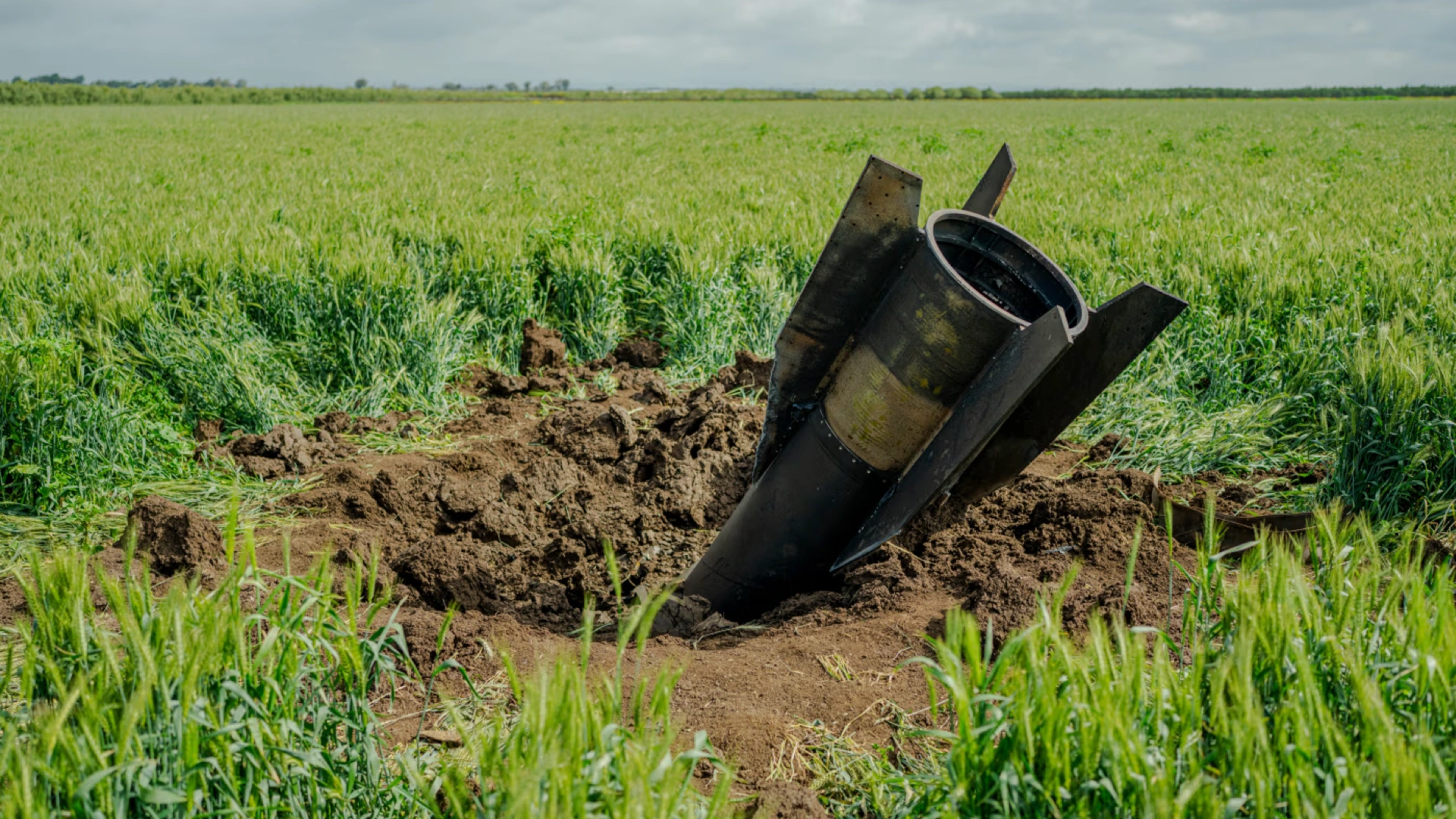
Iran missiles remain a central concern in the evolving Middle East conflict, even after extensive strikes targeting the country’s military infrastructure. Despite sustained attacks from the United States and Israel, Iran is believed to retain a substantial arsenal capable of influencing regional dynamics.
Recent military operations have inflicted visible damage on Iran’s defense facilities. However, the extent of disruption appears limited when measured against the scale and resilience of Iran’s missile program. Analysts increasingly point to the country’s ability to preserve and potentially restore key elements of its strategic capabilities.
Iran Missiles Still Pose Strategic Threat
The persistence of Iran missiles reflects a broader military doctrine built on redundancy and concealment. Over the years, Iran has invested heavily in underground facilities, mobile launch platforms, and decentralized storage systems. These measures complicate efforts to neutralize its arsenal through conventional airstrikes.
Moreover, even damaged systems may not be permanently out of action. Military assessments suggest that several launch platforms can be repaired or reactivated within a relatively short timeframe. This creates uncertainty for opposing forces, which cannot assume that destroyed infrastructure equates to a lasting reduction in threat.
Underground Infrastructure Shields Iran Missiles
Iran has long prioritized the development of fortified underground complexes. These facilities are often embedded within mountainous terrain, making them difficult to detect and even harder to destroy. As a result, many Iran missiles are believed to remain protected from direct strikes.
In addition, these underground networks are designed to support rapid deployment. Missiles can be moved, assembled, and launched with minimal exposure to surveillance systems. This capability enhances Iran’s deterrence posture, allowing it to maintain operational readiness even under sustained attack.
Furthermore, the complexity of these facilities means that complete destruction would require prolonged and highly targeted operations. Airstrikes alone are unlikely to eliminate all hidden assets, leaving room for recovery and continued military activity.
Remaining Stockpiles Maintain Regional Pressure
Despite losses during the conflict, Iran missiles are still estimated to number in the thousands. A significant portion includes short and medium range systems capable of reaching targets across the Gulf region. These include military bases, critical infrastructure, and maritime routes.
This remaining stockpile continues to serve as a key instrument of strategic pressure. Even in a weakened state, Iran can project power and influence through targeted strikes or credible threats. This dynamic complicates efforts to stabilize the region, as adversaries must account for ongoing risks.
In addition, the psychological impact of these capabilities should not be underestimated. The mere existence of a large missile arsenal reinforces Iran’s deterrence strategy, discouraging direct escalation while preserving leverage in negotiations.
Broader Military Capabilities Under Strain
While Iran missiles remain intact to a degree, other components of its military infrastructure have suffered more visible setbacks. Drone capabilities, for instance, appear to have declined following extensive deployment and targeted strikes on production facilities.
However, these losses may not be permanent. Iran has historically demonstrated an ability to rebuild and adapt, often leveraging external partnerships to accelerate recovery. This raises concerns about the long term trajectory of its military strength.
Drone Network Faces Temporary Weakening
Iran’s drone program has played a critical role in recent conflicts, providing surveillance and strike capabilities. Yet, sustained usage combined with targeted attacks has reduced operational capacity. Many systems have been depleted or damaged beyond immediate repair.
In addition, production facilities have reportedly been disrupted, limiting short term replenishment. This creates a temporary gap in Iran’s broader military toolkit, particularly in asymmetric warfare scenarios.
Nevertheless, this weakening does not eliminate the threat entirely. Iran retains technical expertise and infrastructure that can be reactivated under favorable conditions.
External Support May Accelerate Recovery
Iran’s ability to rebuild its military capabilities may depend in part on external assistance. Partnerships with countries such as Russia and China could provide access to technology, components, or logistical support.
Such cooperation would enable Iran to restore both its missile and drone capabilities more rapidly. Moreover, it could introduce new technological advancements, further complicating the strategic landscape.
This possibility underscores the importance of monitoring supply chains and enforcing export controls. Without such measures, efforts to limit Iran’s military recovery may prove ineffective.
Ceasefire Period Raises Strategic Concerns
The current pause in active conflict presents both an opportunity and a risk. While it allows for diplomatic engagement, it also provides Iran with time to regroup and reorganize its remaining forces.
From a strategic perspective, this period is critical. Decisions made during this phase will shape the next stage of the conflict and determine whether tensions escalate or stabilize.
Iran Missiles Could Be Repositioned
During a ceasefire, Iran may focus on repositioning its missile assets. This includes relocating systems from vulnerable areas to more secure locations, as well as retrieving hidden stockpiles from underground facilities.
Such movements would enhance survivability and readiness. In addition, they could complicate future targeting efforts, making it harder for adversaries to anticipate or neutralize potential threats.
This dynamic creates a sense of urgency among opposing forces, which must balance diplomatic efforts with continued vigilance.
Diplomatic Pressure Competes With Military Reality
The United States and its allies are working to strengthen their diplomatic position during the ceasefire. However, the persistence of Iran missiles limits the effectiveness of purely political solutions.
Military realities on the ground continue to shape negotiations. As long as Iran retains significant capabilities, it can leverage them to influence outcomes and resist external pressure.
Therefore, any long term strategy must integrate both diplomatic and military considerations. Ignoring either dimension risks undermining overall objectives.
Long Term Challenge For Regional Stability
The survival of Iran missiles highlights a broader challenge in modern warfare. Destroying visible infrastructure does not necessarily eliminate underlying capabilities, especially when those capabilities are deeply embedded and highly adaptable.
For Washington and its allies, the task extends beyond immediate military action. It requires sustained efforts to disrupt supply networks, enforce sanctions, and limit access to critical technologies.
At the same time, regional actors must prepare for a prolonged period of uncertainty. Even a weakened Iran retains the capacity to influence events, particularly in strategically sensitive areas such as the Gulf.
Ultimately, the situation underscores the complexity of weakening a state with deeply entrenched defense systems. Iran missiles remain a defining factor in the region’s security equation, shaping both current dynamics and future risks. For continued analysis and deeper coverage of global conflicts, follow more insights from Berrit Media.
Discover more from Berrit Media
Subscribe to get the latest posts sent to your email.