Hark funding has pushed one of the newest names in artificial intelligence into the center of Silicon Valley’s capital race after the company said it raised more than $700 million in Series A financing at a $6 billion post-money valuation. The size of the round matters because Hark is not selling a mature product yet; it is asking investors to finance a broad wager on agentic software, custom hardware and a new interface for personal computing.
According to Hark’s May 20 announcement and Intel Capital’s May 21 post about the deal, Parkway Venture Capital led the oversubscribed round and investors included NVIDIA, AMD Ventures, Intel Capital, Qualcomm Ventures, Salesforce Ventures, Brookfield, Greycroft and others. Reuters separately reported the same headline figures, helping confirm that the financing is not just internal company positioning.
Hark Funding Puts Personal AI Hardware Back on the Agenda
The round lands at a moment when much of the AI conversation has shifted toward infrastructure, enterprise tools and industrial use cases. Even so, Hark is arguing that the next major prize may be a personal AI layer that does not live as a simple chat window inside existing devices.
That pitch gives the company a different profile from many recent AI startups. Rather than selling a narrow application, Hark says it wants to build foundation models, software systems and dedicated hardware together, trying to control more of the product stack from the beginning.
A Huge Round Before a Broad Product Launch
Hark said the new capital will support hiring and the infrastructure needed for its next generation of models. The company also said it has grown to around 70 people over the past several months, a small headcount relative to the amount of money now committed behind it.
The company says its AI platform will be available this summer and that its models will be agentic and multimodal, with memory designed to remember who users are and what they say. That gives investors a timetable for an initial software release, but it still leaves much of the product’s real-world performance, pricing and user adoption untested.
In other words, the financing is not a reward for proven scale. It is a forward-looking bet that the market for personal AI assistants could justify very large early spending before broad commercial traction is visible.
Why Chip Investors Joined the Hark Funding Bet
One striking feature of the cap table is the presence of several semiconductor-linked investors. NVIDIA, AMD Ventures, Intel Capital and Qualcomm Ventures are all listed as participants, suggesting that Hark is attractive not only as an application-layer company but also as a potential future buyer and showcase for advanced compute.
Hark said it plans to train its next generation of models at a new NVIDIA B200 data center. That detail matters because it shows the company is not trying to build a lightweight software product on minimal infrastructure; it is embracing the expensive compute model that now defines much of frontier AI development.
For the chip ecosystem, backing an ambitious platform early can have strategic value even if the product remains years from scale. If a new interface category does emerge, suppliers want a position near the company shaping how those models are trained, deployed and eventually embedded into devices.
The Company Is Trying to Build More Than a Chatbot
Hark’s public materials frame the company as an attempt to build what it calls personal intelligence rather than another assistant layered on top of existing apps. The distinction is important because it implies a system that manages context, memory and actions across services instead of simply answering prompts.
That ambition also raises the difficulty level. Building a better chatbot is hard enough; building a product that people trust with identity, memory, workflows and potentially a new device category requires reliability, design discipline and a compelling reason to change everyday habits.
How Hark Funding Supports a Summer Platform
In its announcement, Hark said the first stage will be an AI platform available this summer. The company describes those models as agentic and multimodal, built to work across the products and services people already use while managing their digital world more proactively.
That sequence matters strategically. A software platform can give Hark faster user feedback and product iteration before it takes on the higher manufacturing, supply-chain and distribution burdens that come with shipping hardware at scale.
It also gives investors a nearer-term milestone to watch. If the summer platform shows strong user engagement or a differentiated experience, it could support the broader case that Hark deserves to invest beyond software into a more tightly integrated hardware path.
Hardware Is the Harder Second Leg
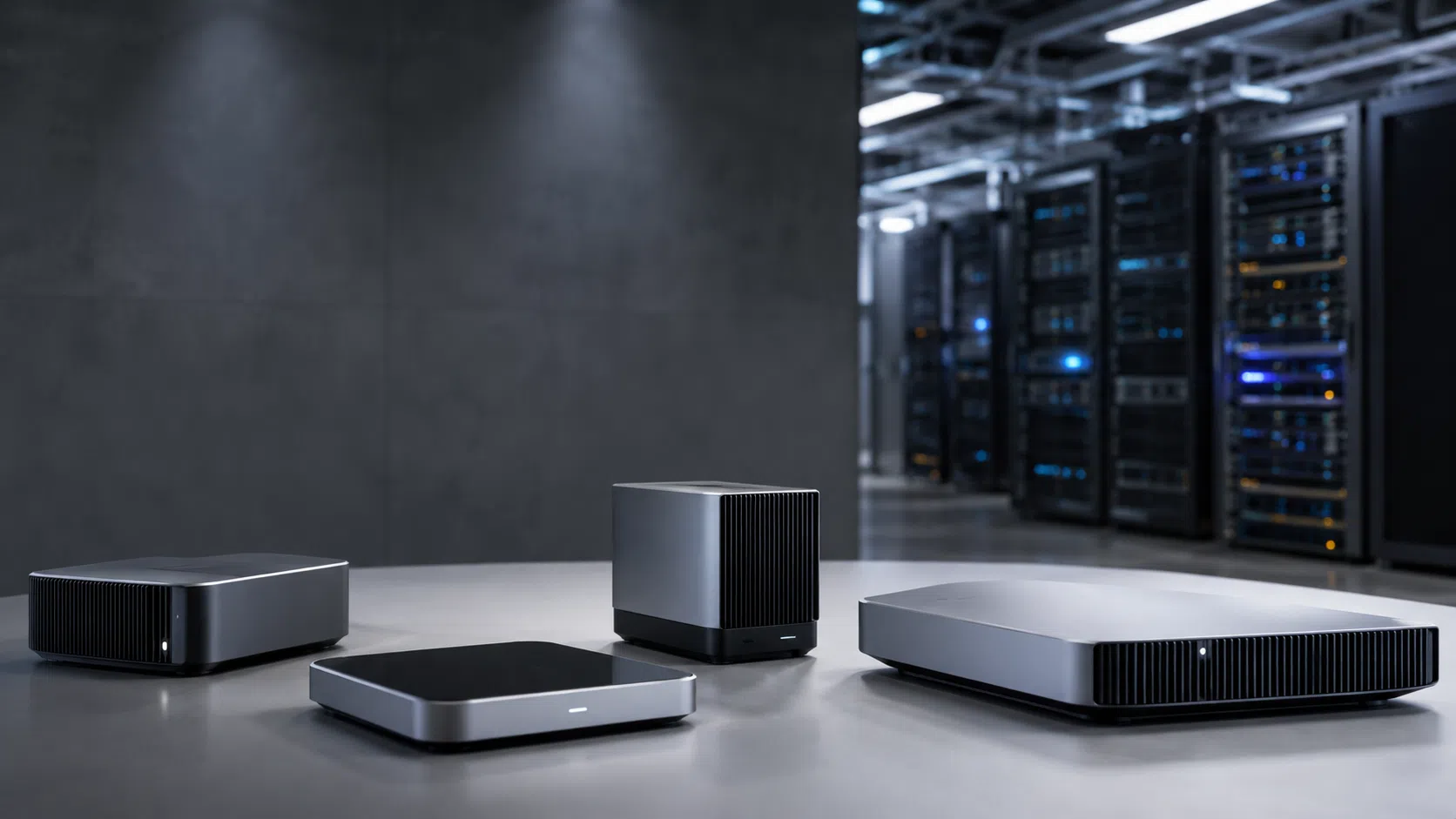
Hark has said next comes hardware intentionally designed to be AI-native and tightly integrated with its models. That claim is central to the company’s vision, because it suggests current smartphones and computers may be poor vessels for the kind of persistent, context-aware systems the startup wants to build.
But hardware is where bold AI stories often become more exposed to execution risk. Custom devices demand industrial design, component sourcing, manufacturing discipline, support operations and a clear answer to why consumers or professionals should carry another intelligent device alongside products they already own.
The company has not yet laid out detailed product specifications, pricing or a launch schedule for those devices. Until those details appear, the hardware thesis is best read as a strategic direction rather than a verified market outcome.
What the Round Says About the AI Capital Cycle
The size of this financing says something broader about the market even before Hark ships at scale. Investors are still willing to fund companies that promise to reshape how AI is consumed, not only companies that sell picks and shovels into the current boom.
That matters because much of 2026’s AI money has flowed toward chips, cloud infrastructure, enterprise platforms and industrial deployments. Hark’s raise suggests there is still room for a parallel thesis: that whoever defines the post-smartphone AI interface could capture outsized strategic value.
Capital Is Shifting Toward Integrated AI Stacks
Hark is not presenting itself as a model lab alone, a device maker alone or an application company alone. It is presenting itself as a vertically integrated AI business, one that wants tighter control over models, interfaces and hardware from the start.
Investors often tolerate that kind of breadth only when they think a category may be large enough to reward integration. The logic is familiar from earlier technology cycles: owning more of the stack can improve performance and user experience, but it also increases capital needs and narrows the margin for execution mistakes.
In Hark’s case, the funding round indicates that at least some investors believe those risks are worth taking. The oversubscribed label used by the company and Intel Capital points to strong demand for exposure to that thesis, even before public proof points are extensive.
What Could Break the Hark Funding Thesis
The most obvious risk is that personal AI becomes a feature inside existing ecosystems rather than a new category controlled by an independent startup. Large platform companies already own distribution, hardware footprints, app stores and billions of user relationships, which can make it difficult for a new entrant to change consumer behavior.
Another risk is economic. Training large multimodal models and building dedicated hardware can consume capital quickly, which means Hark will eventually need not just a compelling demo but a credible path to sustained adoption, margins and follow-on financing discipline.
For now, the most important fact is narrower and clearer. Hark has turned a still-early vision into one of the biggest AI startup financings of the year, and the next phase will determine whether that capital becomes a durable product strategy or simply another expensive experiment in the search for the next computing interface.
Hark funding therefore matters less as a finished commercial success than as a signal about where sophisticated investors still see open territory in AI. Readers can continue following related investment and technology coverage at Berrit Media.
Discover more from Berrit Media
Subscribe to get the latest posts sent to your email.