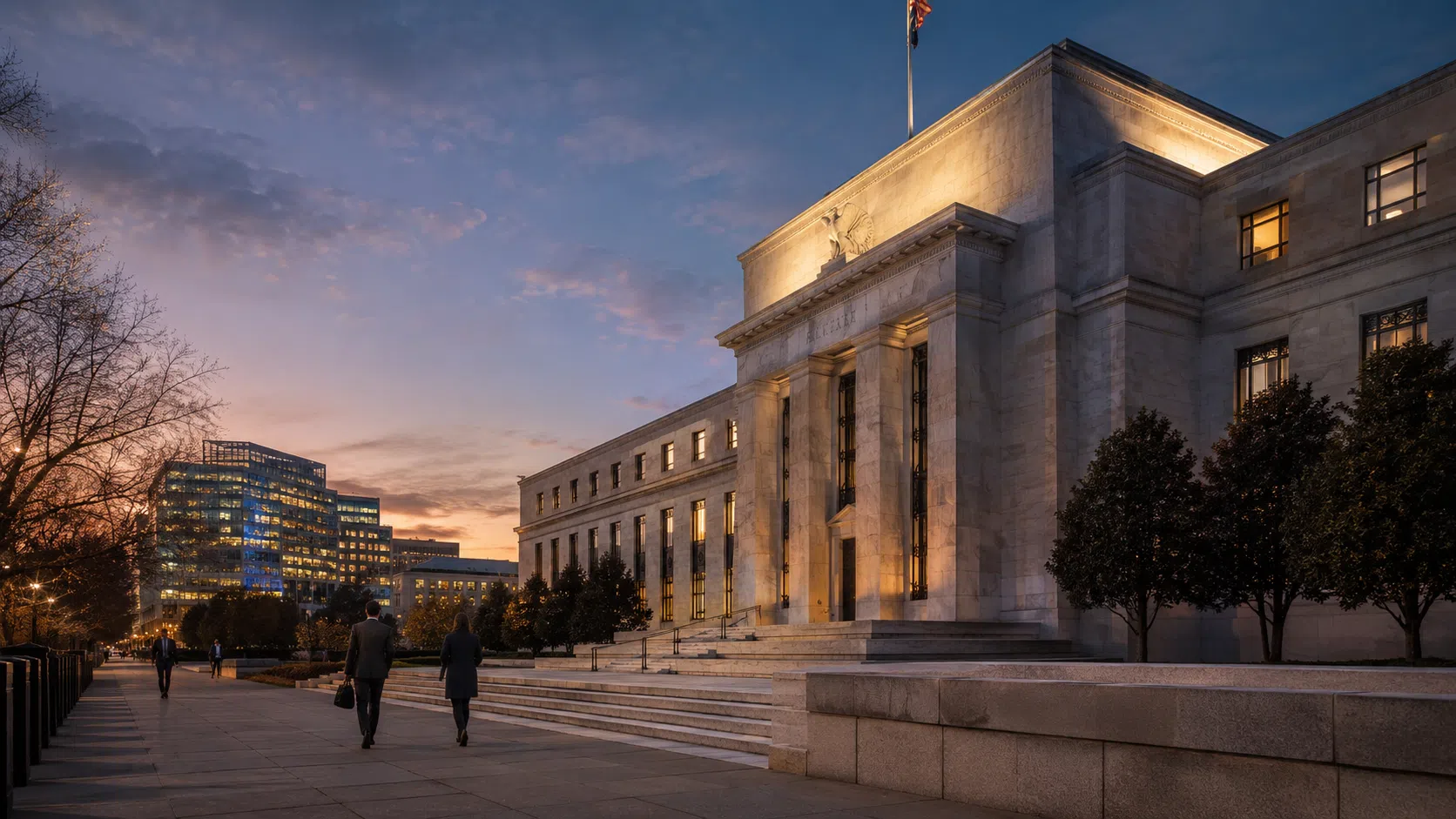
Payment account rules moved closer to reality on May 20 after the Federal Reserve proposed a new limited account structure for legally eligible institutions seeking direct access to central-bank payment services. The move gives Washington’s fintech debate a concrete operating framework instead of another abstract promise of future reform.
The proposal matters because it touches one of the most closely guarded parts of modern finance: who gets to move money through the Federal Reserve system without relying entirely on partner banks. For years, fintech firms, digital-asset businesses, and special-purpose institutions have argued that indirect access raises costs, slows product development, and leaves them dependent on incumbent lenders that can tighten relationships at any time.
The Fed’s answer is not a broad opening of the gates. Instead, the Board requested public comment on a narrower model that would let eligible firms clear and settle payments through a tailored account while denying the broader protections and privileges that come with full bank-like access.
That distinction is what makes the development significant for business readers. The proposal suggests policymakers are trying to encourage more competition in payment infrastructure without handing nonbanks the same safety net that traditional insured institutions receive. If adopted after the comment process, it could alter the economics of payments, treasury workflows, and digital-finance partnerships across the United States.
Why the Fed Is Formalizing the Debate
The Federal Reserve’s proposal arrives after months of political and industry pressure to clarify how newer financial firms can reach core payment infrastructure. In December 2025, the Board asked for input on a prototype limited-access account, but that earlier exercise was still largely exploratory and did not settle how such access might work in practice.
The latest action goes further by putting specific terms in front of the public and explicitly asking for comment. According to the Board’s May 20 release, the proposed account is designed only for clearing and settling payments and is intended to support innovation while reducing material risks to Reserve Banks and the payment system.
How the Payment Account Would Work
Under the proposal, a payment account holder would not receive intraday credit, would not be able to borrow through the discount window, and would not earn interest on balances held at a Reserve Bank. The Board also said users would only have access to payment services with automated controls meant to prevent overdrafts.
Those restrictions are central to the policy design. They show the Fed is not proposing to give newer entrants a full master-account substitute, but rather a more limited utility focused on the movement of money. In other words, the account is meant to support settlement efficiency, not to recreate the broader funding and liquidity privileges that underpin the banking system.
The Board also emphasized that the proposal would not expand legal eligibility for Federal Reserve accounts or payment services. That point matters because it keeps the fight centered on operational access and risk controls rather than on a sweeping rewrite of who qualifies under the law to interact directly with the central bank.
Why Firms Want Payment Account Access
The commercial appeal for fintech and other eligible special-purpose firms is straightforward. Direct or more tailored access to payment infrastructure could reduce dependence on sponsor banks, cut some settlement friction, and give companies more control over product design in areas such as real-time transfers, merchant payments, and treasury automation.
The White House’s May 19 executive order on fintech regulation added momentum to that case by asking the Federal Reserve to evaluate the legal, regulatory, and policy framework for access by uninsured depository institutions and non-bank financial companies. It also requested a report within 120 days on the options and legal barriers surrounding such access.
That broader push helps explain why the Fed’s proposal is more than a technical regulatory document. It sits at the intersection of industrial policy, financial competition, and digital-infrastructure strategy, especially as Washington becomes more interested in whether incumbent banking structures are slowing innovation in payments and related financial services.
Why the Proposal Matters for Banks and Fintechs
The new framework does not simply favor challengers over incumbents. It tries to split the issue into smaller pieces by offering a narrow access channel while preserving the core advantages that banks still hold through deposit insurance, broader supervision, and access to central-bank backstops.
That balancing act is likely to define the next stage of lobbying. Fintech groups can argue that the Fed has acknowledged a need for a tailored route into the payment system, while banks and prudential watchdogs can point to the proposal’s limits as evidence that direct access still requires tight boundaries and close scrutiny.
Payment Account Limits Preserve Bank Privileges
The Fed’s design makes clear that a payment account is not intended to erase the role of chartered banks. No interest on balances means firms would not gain a new yield-bearing place to park liquidity at the central bank. No discount-window access means they would not gain the emergency borrowing support that helps traditional institutions manage stress.
Those guardrails should matter to investors and industry executives because they preserve the hierarchy of the existing system even while nudging it toward more competition. Banks may still lose some leverage if more payment flows can move through tailored accounts, but they would not immediately face a world in which fintech firms enjoy identical central-bank privileges without comparable obligations.
That is why the proposal may prove more durable politically than a bolder access push. It offers a middle path: enough change to show responsiveness to innovation and competition concerns, but enough restraint to reassure policymakers who worry about systemic risk, regulatory arbitrage, or an overly fast shift of payment activity outside the traditional banking perimeter.
Compliance and Oversight Remain Central
The Board’s release also underlined that Reserve Banks would expect payment account holders to mitigate illicit-finance risks. Governor Lisa Cook said in a separate statement that public comment should focus in part on how to balance innovation with protection of payment-system integrity, including the systemic effect of granting clearing and settling capabilities to firms that lack deposit insurance and comprehensive federal oversight.
That concern is not secondary. It is the core reason the Fed continues to move cautiously, even as the White House pushes regulators to reduce barriers to entry. Any broader access regime will almost certainly rise or fall on whether officials believe the applicants can meet credible standards for controls, governance, resilience, and financial-crime prevention.
For the market, that means the debate is unlikely to end with a simple yes-or-no answer on access. Instead, the more realistic outcome may be a more formal ladder of permissions in which some firms can reach payment rails under narrow terms while still facing heavy compliance expectations and carefully defined operational limits.
What Comes Next in the Policy Fight
The Fed has opened a formal comment period that will close 60 days after publication in the Federal Register. That gives banks, fintech companies, trade groups, payments specialists, and digital-asset advocates a defined window to argue over the commercial benefits and the stability risks of the proposal.
At the same time, the Board said it is encouraging Reserve Banks to temporarily pause decisions on access requests from institutions in Tier 3 of the Account Access Guidelines until the policy-development process is complete. That temporary pause is notable because it signals the Fed wants more consistency before individual applications move further under an unsettled framework.
The White House Push Has Changed the Timeline
The administration’s fintech order did not force the Federal Reserve to grant access, but it clearly raised the pressure for a more transparent process. The White House specifically asked the Board to evaluate whether existing law already allows broader direct access and, if it does, to establish transparent application procedures and act on complete applications within 90 days.
That request does two things. First, it reframes access as a competition and innovation issue rather than only a prudential one. Second, it increases the political cost of leaving the existing system vague, especially for firms that argue fragmented case-by-case decisions have favored incumbents and made planning difficult for emerging financial businesses.
Even so, the Fed remains in control of its own rulemaking and is signaling that risk management will not be an afterthought. The Board’s language shows a clear effort to invite innovation without conceding that newer business models should bypass the supervisory and operational concerns attached to direct participation in the payment system.
A Payment Account Debate With Market Consequences
The outcome matters well beyond a handful of applicants. If tailored access becomes viable, payments companies could gain more pricing flexibility, treasury platforms could design products around faster settlement, and some digital-finance firms could reduce their dependence on bank intermediaries. That would not overturn the industry overnight, but it could slowly shift margins and bargaining power.
If the proposal stalls or is narrowed further, the message will be equally important. It would suggest that the United States still prefers to keep most innovation tethered to the banking sector rather than opening a more independent infrastructure lane for new entrants. That would preserve incumbent influence over payment distribution, settlement access, and compliance gating.
Either way, the issue has moved from theory into a more measurable policy contest with deadlines, written terms, and visible institutional disagreement over risk. For companies building around money movement, that is a far more actionable moment than last year’s abstract consultation process.
The payment account proposal does not settle the future of Fed access, but it does turn a long-running fintech argument into a formal policy choice with real commercial stakes. Readers can expect that debate to keep shaping U.S. financial competition and regulation, and can follow related coverage at Berrit Media.
Discover more from Berrit Media
Subscribe to get the latest posts sent to your email.