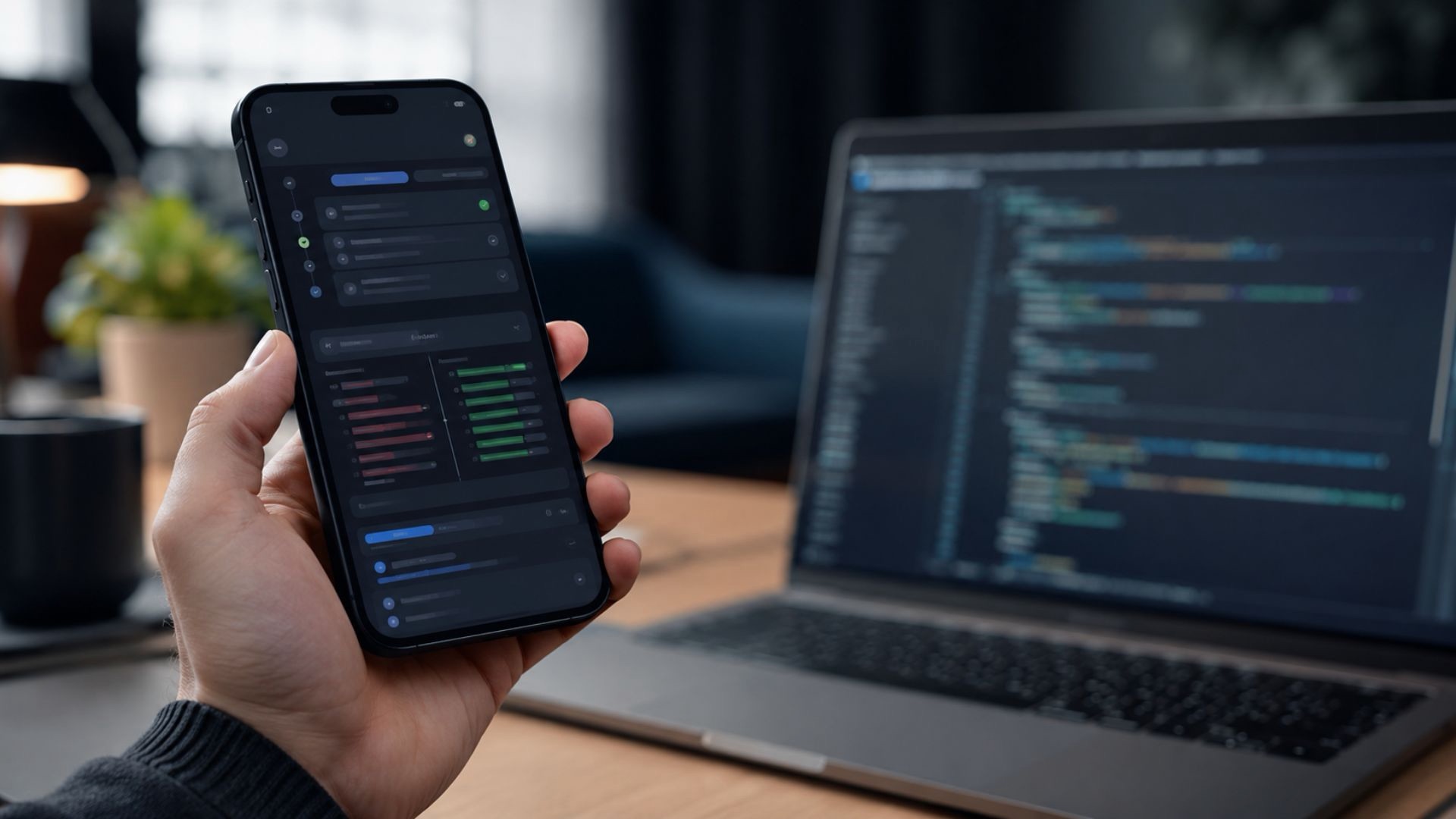
Codex Mobile is moving into the ChatGPT app, giving OpenAI a new way to keep coding workflows active when users step away from their desks. On May 14, OpenAI said the preview is rolling out on iOS and Android across supported regions, extending Codex from desktop and remote environments to the phone screen.
The move turns the ChatGPT mobile app into more than a companion interface. It positions the service as a control layer for live software work, letting users review outputs, approve commands, change direction, and start fresh threads while Codex continues running on connected machines.
Codex Mobile Extends OpenAI’s Coding Push
OpenAI framed the launch as a response to a simple problem in modern development: useful agent workflows do not always stop when the user leaves the keyboard. As coding agents take on longer tasks, decisions often arrive in short bursts that need a human answer before progress can continue.
That is where Codex Mobile fits. Instead of treating the phone as a passive notification surface, OpenAI is presenting it as an active workspace for supervising running tasks, checking status, and keeping momentum intact across devices.
Codex Mobile Arrives on iOS and Android
According to OpenAI, the preview is rolling out on both iOS and Android and is available across all ChatGPT plans, including Free and Go. That broad availability is notable because it lowers the barrier to trying Codex Mobile without forcing users into a higher tier just to test the feature.
The company said the mobile experience loads the live state from the environment where Codex is running. In practice, that means a phone can reflect ongoing threads, approvals, plugins, and project context from a laptop, a Mac mini, or a managed remote setup.
OpenAI also said support for connecting a phone to the Codex app on Windows is coming soon. For now, the rollout appears designed to strengthen the link between the ChatGPT app and existing Codex environments rather than replace the desktop setup itself.
Why the Timing Matters for OpenAI
The launch arrives as OpenAI continues to push Codex beyond a single interface and into a wider operating model. Earlier releases centered on desktop control and multi-agent management. Codex Mobile adds a new checkpoint in that flow by making it easier to respond in the middle of the day instead of waiting to get back to a machine.
OpenAI said more than 4 million people now use Codex every week. That claim matters because it suggests the company is not treating mobile access as a niche feature for a small developer cohort, but as infrastructure for a growing user base that already relies on asynchronous coding help.
The social announcement visible in the source screenshot also underlines that demand. OpenAI explicitly signaled that users had been asking for this release, which gives the preview the shape of a product response to behavior already visible inside its community.
A Remote Control Layer for Active Coding Work
Codex Mobile matters less as a standalone app feature than as part of a broader change in how AI coding work is managed. The important shift is not simply mobile access. It is the ability to keep a task alive while human judgment arrives from somewhere else.
That changes the rhythm of software work. A developer can begin a bug investigation, refactor, or support triage session on one device and continue steering it from another, without having to restart the thread or rebuild the context from scratch.
Codex Mobile Keeps Threads Moving
OpenAI’s description of the product centers on continuity. Users can review outputs, approve commands, change models, and start new tasks from the phone while files, credentials, and permissions stay on the machine where Codex is actually operating.
That separation is significant. It means Codex Mobile is not pitching the phone as a full local development environment. Instead, it acts as a supervision and coordination surface while the heavier work remains anchored to the user’s own hardware or managed infrastructure.
For developers, that could remove a familiar source of delay. When an agent hits a decision point, asks for permission, or surfaces test results, the next step no longer depends on the user being physically present at the desk. A short mobile review may be enough to keep execution going.
Approvals and Context Travel With the User
OpenAI said updates flow back to the phone in real time, including screenshots, terminal output, diffs, test results, and approval requests. That list shows how Codex Mobile is meant to preserve context, not just deliver alerts.
In practical terms, the system is built around supervision rather than interruption. A user in transit can inspect what changed, decide whether a command should run, or redirect the task after seeing fresh evidence, without losing the thread of the original request.
The company also said the setup relies on a secure relay layer that keeps trusted machines reachable across devices without exposing them directly to the public internet. That detail matters because remote control features tend to raise security questions long before they become routine workplace tools.
What the Preview Means for Developers and Teams
The early story around Codex Mobile is not only about convenience. It is also about how AI coding tools are being shaped into systems that fit the stop-and-start pattern of real work, where approvals, context checks, and new instructions appear throughout the day.
That makes the preview relevant beyond solo developers. It points to a workflow in which managers, technical leads, and operators can stay close to long-running tasks without needing to sit inside a full desktop environment every time a decision is needed.
Codex Mobile and Cross-Device Workflow
OpenAI’s examples point to common moments rather than edge cases. The company described users reviewing a bug investigation while waiting for coffee, choosing between two refactor paths during a commute, and refreshing a support briefing before a customer call.
Those scenarios are carefully chosen. They frame Codex Mobile as a way to capture small windows of attention that would otherwise be lost, turning idle minutes into progress on active threads. That positioning is consistent with a broader push toward agent workflows that continue in the background.
If the preview works as described, the value may come from speed of intervention more than raw processing power. The phone becomes the place where a task gets unstuck, receives a correction, or wins approval quickly enough to keep the overall job moving.
Enterprise Access Broadens the Story
OpenAI paired the mobile announcement with wider Codex updates, including general availability for Remote SSH and Hooks, programmatic access tokens for Business and Enterprise plans, and HIPAA-compliant local-environment support for eligible ChatGPT Enterprise workspaces.
That matters because Codex Mobile is landing inside a product stack that is moving deeper into managed and policy-sensitive environments. The phone feature may look lightweight on the surface, but it sits next to a larger enterprise story about control, automation, and governed access.
For OpenAI, the preview therefore does two jobs at once. It gives everyday users a more flexible way to supervise coding work, and it strengthens the message that Codex is becoming a persistent, cross-device system rather than a tool tied to one desktop session.
OpenAI’s rollout does not answer every question about usage patterns or long-term adoption, but it does make the company’s direction clearer. Codex Mobile brings coding oversight into the ChatGPT app, and that could make agent-driven development feel less like a stationary task and more like a continuous workflow. For more technology coverage and product analysis, keep reading Berrit Media.
Discover more from Berrit Media
Subscribe to get the latest posts sent to your email.