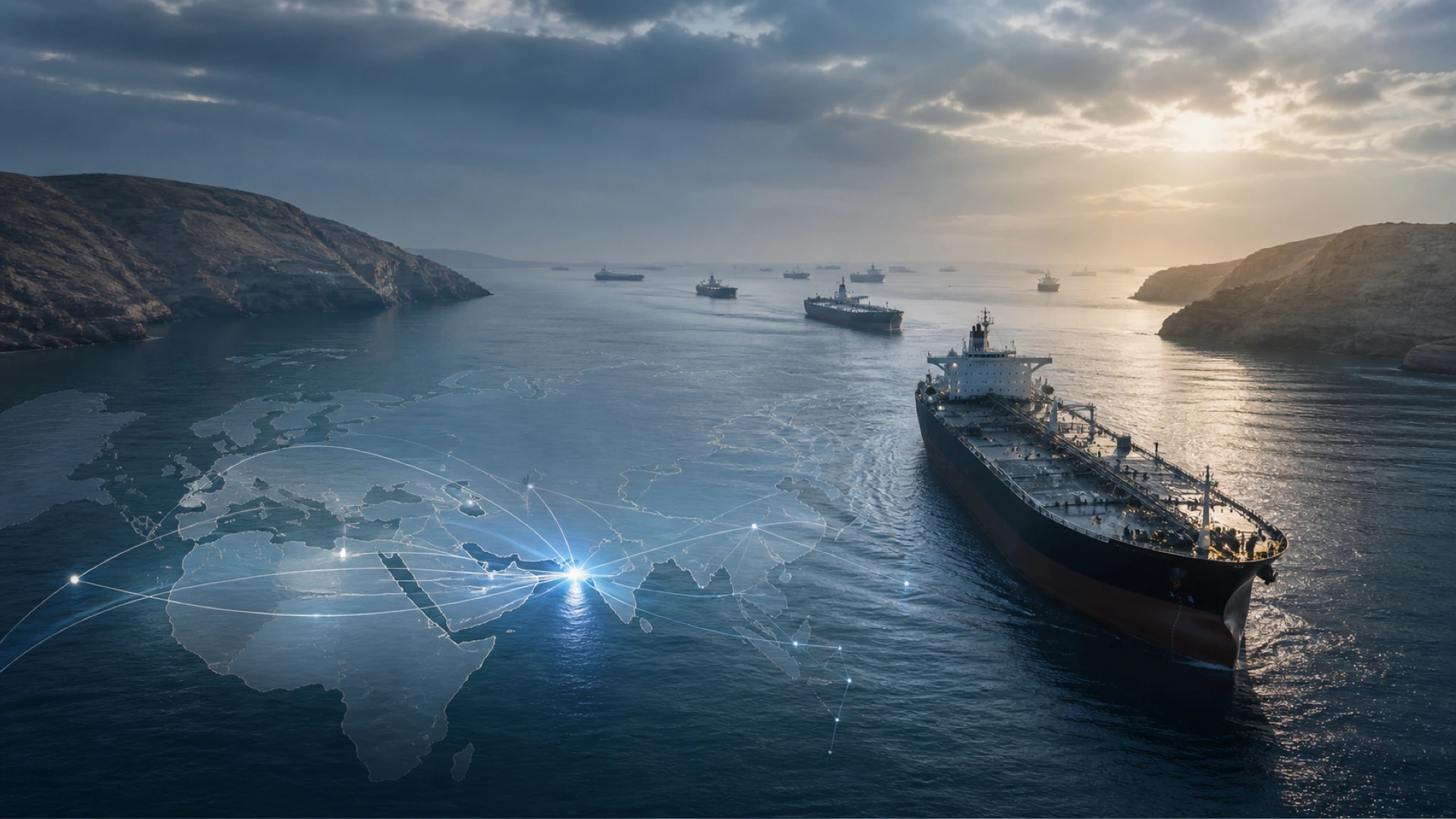
The Strait Of Hormuz has become the world economy’s most dangerous pressure point again. US escorts for commercial vessels, Iranian warnings over Washington’s military presence, and fresh anxiety in oil markets have pushed a regional confrontation into the center of global trade risk.
The tension is hitting where the world is most exposed. The strait remains one of the planet’s most important corridors for crude shipments, and even limited disruption can ripple quickly through freight costs, insurance rates, refinery planning, and consumer prices. Japan’s reported receipt of its first Russian oil cargo since the Iran conflict shows how buyers are already adjusting supply routes as uncertainty rises in the Gulf.
The IMF’s warning gives the crisis its economic weight. A prolonged conflict could send oil prices above US$125 per barrel, a level that would squeeze import dependent economies, revive inflation pressure, and force companies to rethink logistics and energy exposure. For governments, the danger is not only a fuel shock. It is the return of geopolitical risk as a tax on growth.
Markets can absorb noise, but they do not ignore chokepoints. The Strait Of Hormuz is now testing how quickly one narrow waterway can turn military tension into a broader commercial bill, and Berrit Media will keep watching the cost as it moves from shipping lanes to balance sheets.
Discover more from Berrit Media
Subscribe to get the latest posts sent to your email.