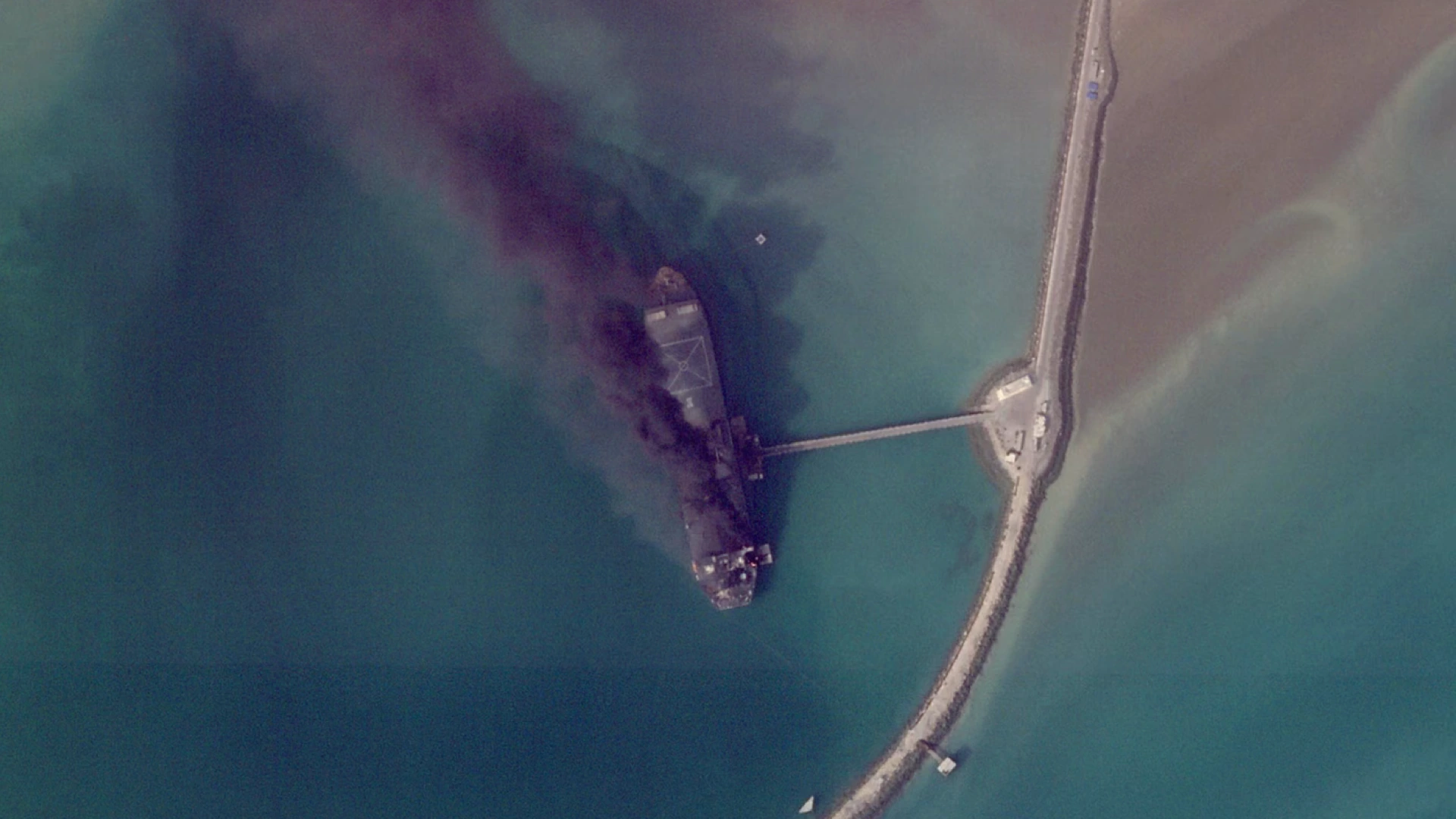
The U.S. has battered Iran’s conventional navy, but Hormuz remains the harder prize. Tehran’s smaller and more agile maritime force still holds leverage over one of the world’s most important shipping lanes.
The damage to Iran’s larger vessels is significant. Frigates, combat ships, and support platforms have been hit hard, reducing the prestige fleet that Iran used for broader naval projection. Yet the real pressure in the Strait of Hormuz comes from fast boats, mines, drones, coastal missiles, and harassment tactics designed for narrow waters rather than open seas.
That difference matters. The strait is only about 20 miles wide at its narrowest point, and a large share of global oil traffic normally moves through it. Even limited disruption can raise insurance costs, slow shipping, and push energy markets into defensive mode. Iran does not need full naval dominance to create global consequences. It only needs enough uncertainty to make captains, insurers, and governments hesitate.
The result is a strategic problem with no clean ending. Destroying large ships can deliver visible victories, but controlling Hormuz requires removing a dispersed network of small craft, hidden bases, drones, mines, and coastal threats. That is the harder war beneath the headline, and Berrit Media will keep watching where military power meets economic pressure.
Discover more from Berrit Media
Subscribe to get the latest posts sent to your email.