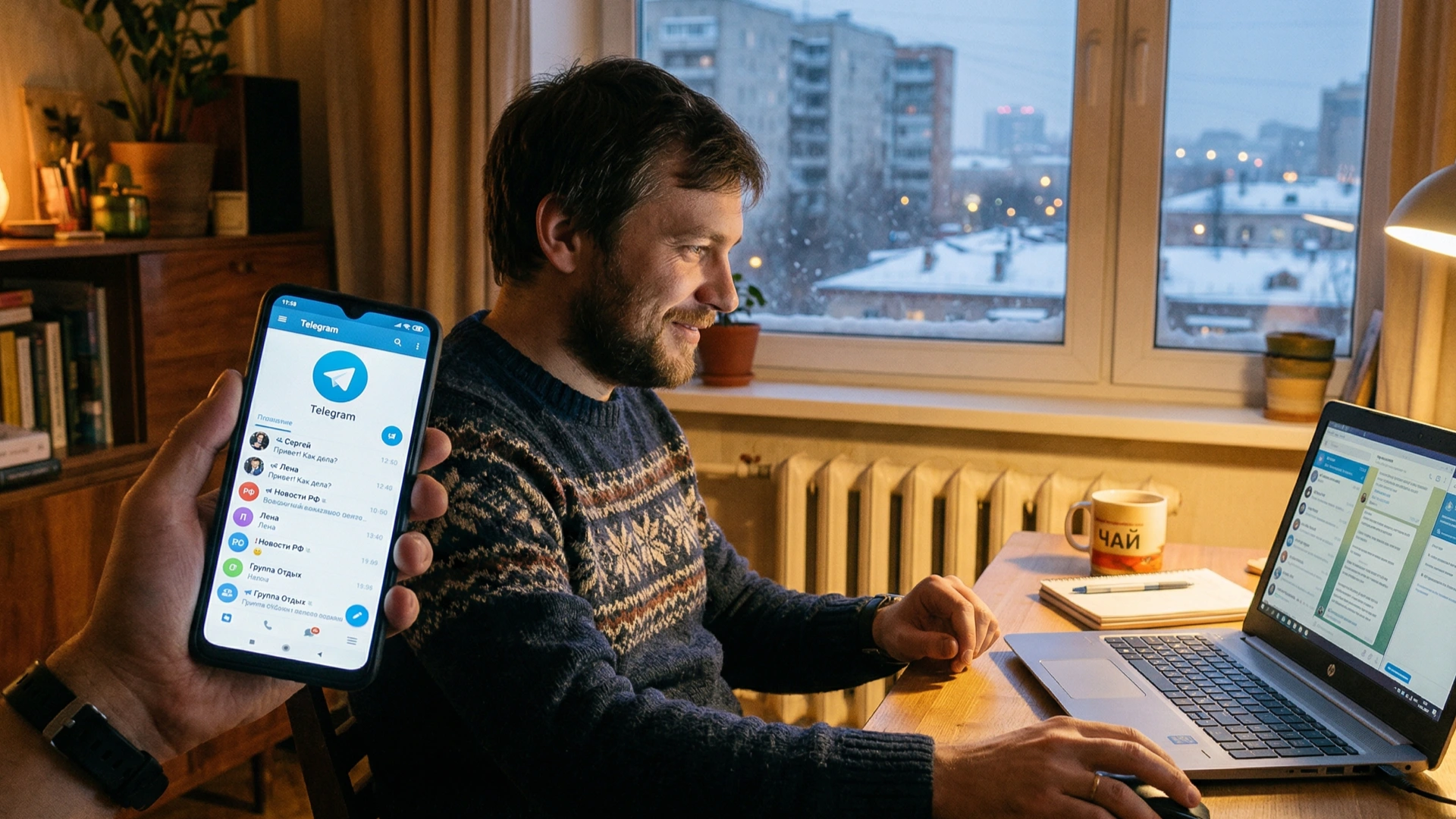
Telegram has moved to harden its platform against mounting pressure in Russia, sharpening its anti censorship systems as authorities try to choke off access. The Telegram Russia ban is now less a technical obstacle than a live stress test of how far a digital platform can go to remain reachable when the state wants the opposite.
The company’s latest update is designed to make connections more resilient and harder to disrupt. Users are being encouraged to keep their apps updated and prepare backup access routes in advance, including multiple VPN and proxy options. The logic is simple. When one path is blocked, another needs to be ready immediately. Telegram is also urging people to be more careful with how they navigate online under these conditions, especially when using local apps that could expose connection patterns.
What stands out is that the pressure campaign does not appear to be delivering the result its architects likely wanted. Telegram usage in Russia has remained stable even under a full ban environment, suggesting that its user base is not only large but highly adaptive. That matters because censorship often depends on friction, fatigue, and fear. When users keep finding workarounds, the mechanism starts to look less like control and more like attrition.
This is why the story matters beyond one platform or one country. Telegram is turning digital resistance into infrastructure, not rhetoric. In an era where access itself has become political, the real contest is no longer just about what people say online, but whether they can stay connected long enough to say it, and that is exactly the kind of shift Berrit Media watches closely.
Discover more from Berrit Media
Subscribe to get the latest posts sent to your email.