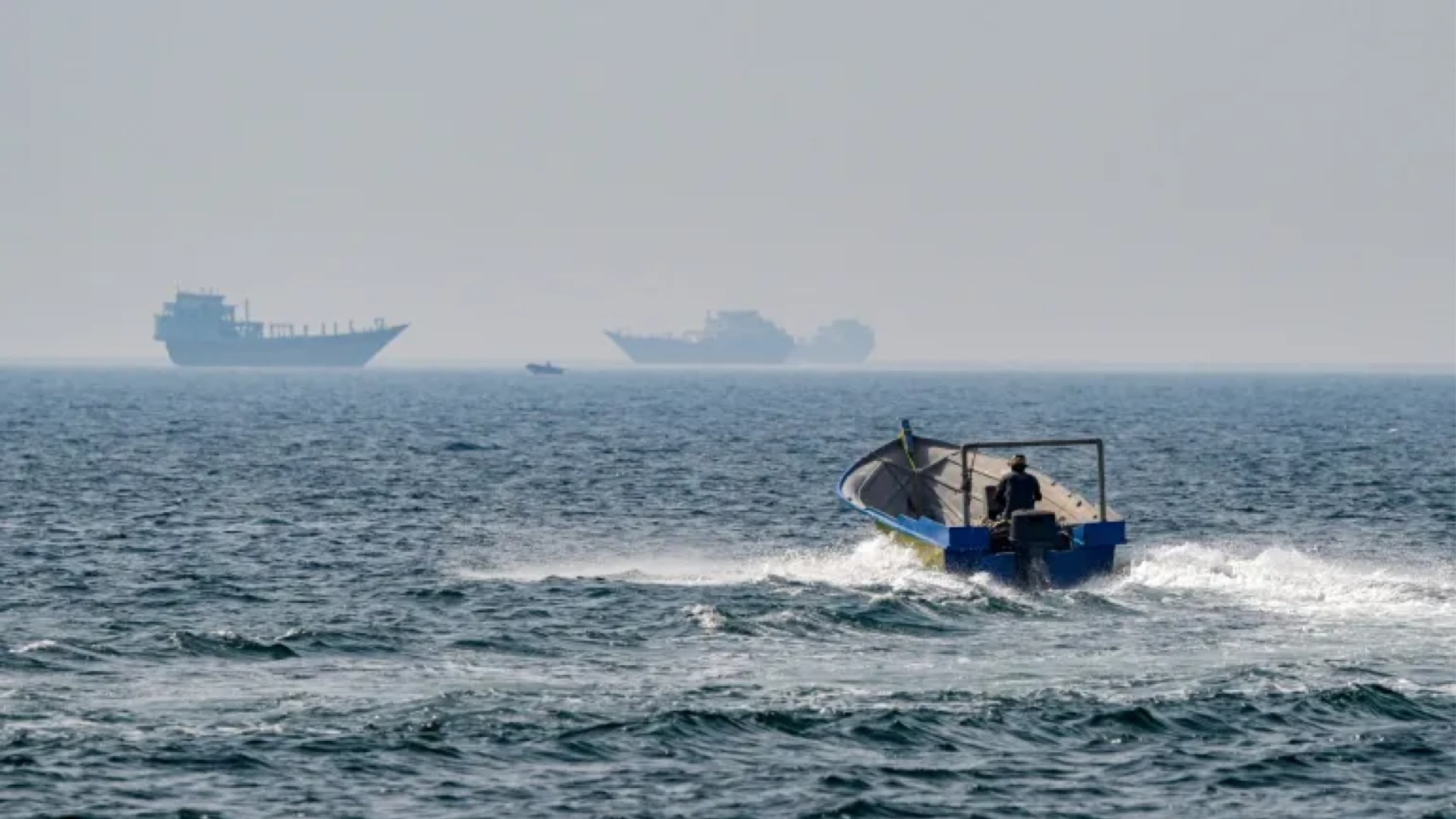
Shipping through the Strait of Hormuz remains effectively frozen even after the United States and Iran announced a ceasefire, frustrating hopes that one of the world’s most critical energy routes would quickly reopen. Vessel movement has resumed only in a limited way, while hundreds of ships remain stuck in the Gulf and commercial traffic is still far below normal levels.
The slowdown is severe enough to keep global markets nervous. Only a small number of vessels have crossed the waterway in recent days, a sharp drop from the usual flow seen before the conflict. More than 600 ships, including hundreds of tankers, are still stranded, showing that the ceasefire has not restored business confidence. Even with some movement returning, shipowners appear unwilling to treat the route as reliably safe, and that caution is now shaping the pace of global energy logistics.
That matters because the Strait of Hormuz is not just another shipping lane. It handles roughly one fifth of the world’s oil and liquefied natural gas flows, which means even a partial disruption can ripple across fuel prices, freight costs, and investor sentiment. One of the clearest assessments came from Sultan Ahmed Al Jaber, who said, “the Strait of Hormuz is not open.” That blunt line captures the real problem. A ceasefire on paper is not the same thing as freedom of navigation in practice.
Oil prices have already started reflecting that reality, with markets pulling back from early optimism as traders absorb the fact that the truce has not fully translated into access. Stocks may still take comfort from the possibility of de escalation, but shipping companies and energy markets are demanding proof, not promises. For now, the world’s most important maritime chokepoint remains only partially alive, and that is the kind of fragile calm Berrit Media watches closely.
Discover more from Berrit Media
Subscribe to get the latest posts sent to your email.